Casey French

Population demographic theories are a fascinating area of study. In class, we discussed about population and migration and its effects on the nation-states. The two theories associated with demographic trends are the demographic transition theory and the Malthusian theory. The demographic transition theory links population trends with technological advancement while the Malthusian theory correlates population with a resource-based production. I associate more toward the Malthusian theory. I believe humans, like animals, have a carrying capacity in which resources become limited and as the world's population reaches a specific point, there will be an immediate decline of the population. This can be disastrous and scary to think about it. Warfare and famine could result from this strain of resources. The nation-state is impacted dramatically from this increase. They are responsible for immigration control and those countries with high birth rates disperse through borders in search of better opportunities. In a natural resource class I enrolled in last year, we tried simulated a scenario with moose populations in an environment with an abundance of plant species and limited predation. The results were eye-opening. The amount of resources consumed was not regenerating at a rate to sustain the growing population. The population collapsed, directly influencing the wolf population as well. In a way, we are the moose. We are over-consuming and manipulating our environment. We have no predators other than ourselves. That is why I feel this theory is more realistic.
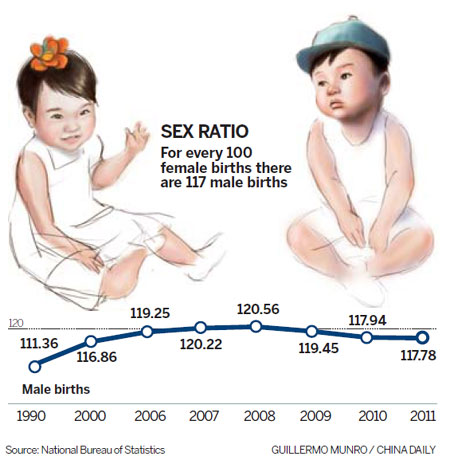
China implemented the one-child policy to combat its rising population. A nation-state is actually forcing people to have a small family structure. This is interesting, because our natural tendency to have the choice of how many children we want is now mandated by a country. This causes problems and as the video demonstrates, the government is shrinking the base that support the elderly in an attempt to limit the population. The favoritism for male children also shifts the gender pyramid, making it more difficult for men to find marriage partners. In 2006, China peaked at 120 males for every 100 females. This statistic alone indicates how favoritism could pose a problem in the future.


0 comments:
Post a Comment